


Kitchen: Heart of the House, Highest Stakes
Because appliances, cabinets, and counters have long lead times and tight tolerances, kitchens often define the critical path. Decide early whether to run temporary power and water nearby, or to schedule the kitchen after one bathroom is complete. Protect pathways to prevent cabinet damage during later tile or glass deliveries.

Bathrooms: Stagger for Sanity
Renovate bathrooms in a staggered cadence so at least one shower and toilet remain operational. This approach reduces rental costs and stress, especially for families. Coordinate waterproofing inspections, tile deliveries, and countertop templating carefully; delays in any step can block fixtures and extend downtime exponentially.

Bedrooms and Living Zones: Carve Out a Safe Haven
Plan early to preserve one clean, quiet area for sleep, homework, and remote work. That means phasing demolition, sealing vents, and building dust barriers before chaos spreads. A protected refuge reduces decision fatigue, keeps morale high, and makes tough sequencing choices feel manageable over a long schedule.




Build a Visual Plan You’ll Actually Use
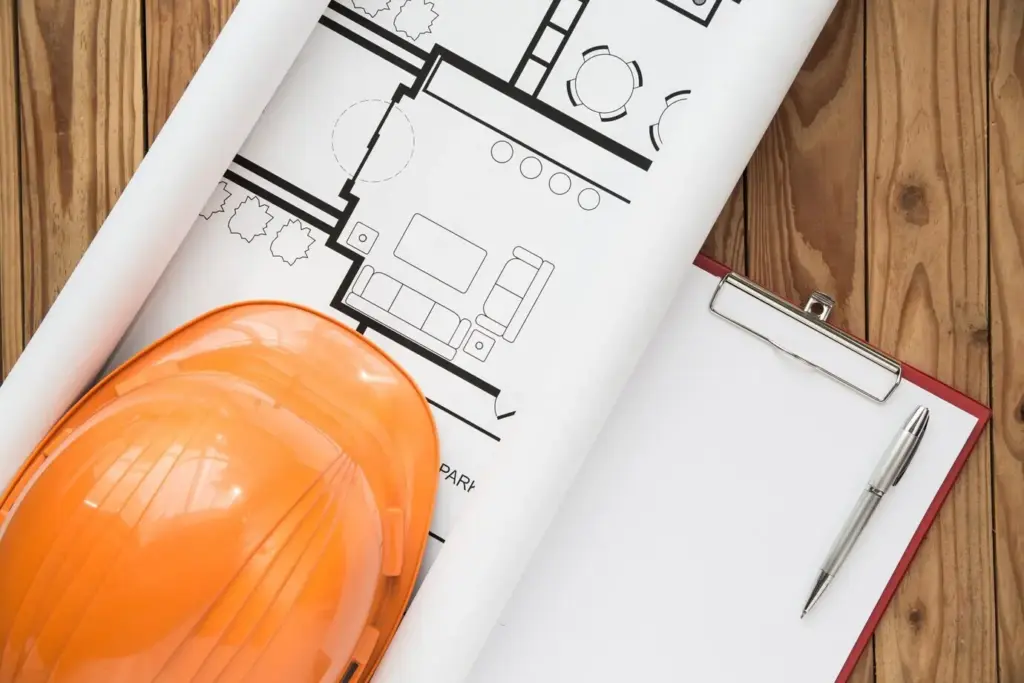
Whether you prefer a simple spreadsheet, a whiteboard, or a Gantt chart, make the plan visual and visible. Add inspection gates, delivery dates, and owner decisions as distinct line items. A five-day look-ahead shared every Friday keeps everyone aligned and reduces weekend surprises.

Daily Huddles, Punch Lists, and Photos
Short morning huddles surface conflicts before saws start spinning. Maintain a rolling punch list and photo log that documents progress and questions. These habits create accountability across trades, give absent owners clarity, and provide evidence when warranty issues or miscommunications appear months after the dust settles.

Change Management Without Chaos
Changes happen. Tie every change to a written request, updated drawings, cost impact, and schedule adjustment. Communicate clearly who stops, who starts, and when. By formalizing pivots, you protect relationships, control costs, and keep the project narrative coherent for future buyers, appraisers, and the next contractor.