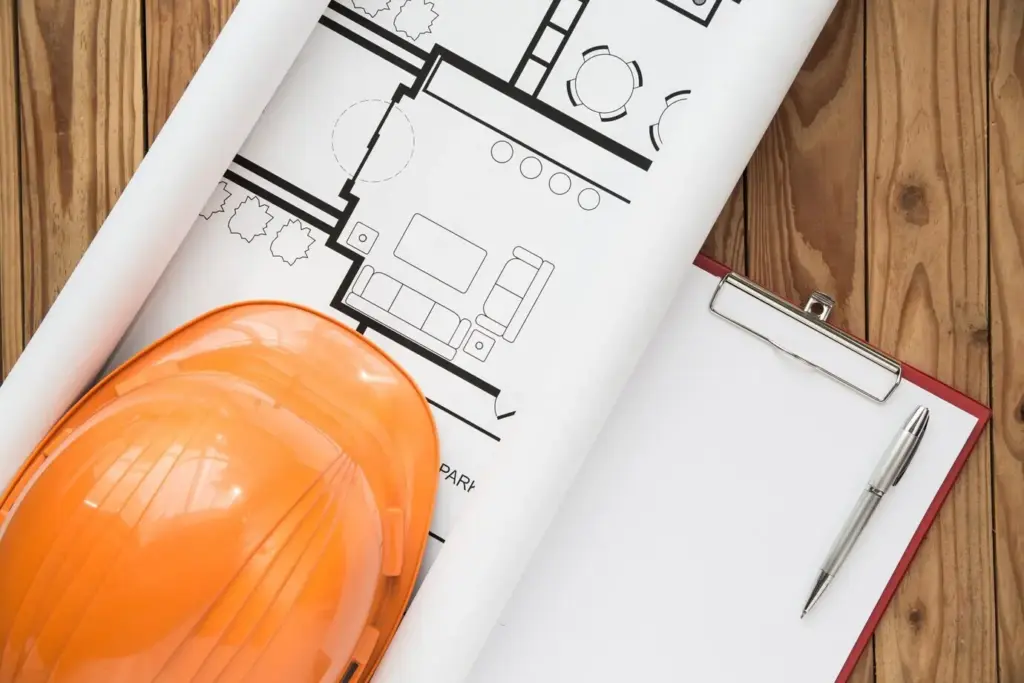


Orchestrate Your Whole-Home Remodel with Confident Sequencing

In this practical, energizing guide, we dig into sequencing a whole-home remodel, prioritizing rooms, and managing dependencies so every decision supports the next. We connect structure, envelope, mechanical rough-ins, inspections, and finishes into a clear, livable roadmap that reduces dust, downtime, and budget surprises. Along the way you’ll hear hard-won lessons from real projects and get checklists you can adapt. Share your biggest scheduling puzzle in the comments and subscribe to follow new planning walkthroughs.

Lay the Groundwork: Structure, Systems, and the Order That Prevents Rework

Great sequencing begins before demolition, with a holistic view of structure, envelope, and utilities that frames every later choice. Fix water intrusion and address structural loads before touching finishes, then coordinate plumbing, electrical, and HVAC rough-ins so inspections pass cleanly. By anchoring early tasks to code requirements and lead times, you shorten the critical path and avoid tearing open new work. Use this section to sketch your first-pass order and spot risky overlaps.

Protect the Envelope First

Start with roofing, gutters, flashing, exterior grading, and windows so the house stops taking on water before interiors advance. Sequencing exterior fixes up front shields new insulation and drywall from damage, accelerates drying times, and wins inspector confidence. It also creates safer staging for scaffolding, dumpsters, and material deliveries without detouring around fresh floors.

Structural Changes Come Before Beauty

If you are removing walls, beefing up beams, or altering stair openings, complete engineering, permits, and framing before running utilities or installing finishes. This prevents costly rework when beams move a few inches. Schedule shear walls, headers, and subfloor repairs early so crews aren’t carrying heavy members over delicate cabinetry, tile, or glass.

Rough-Ins Before Insulation and Drywall

Map every outlet, switch, supply line, vent, and low-voltage run while studs are open, then walk the plan with your electrician, plumber, and HVAC contractor together. Coordinated rough-ins reduce conflicts, simplify inspection, and prevent swiss-cheese framing. Photograph each wall for future reference so you can locate wires and pipes without guesses years later.

Choosing Room Order That Preserves Daily Life

Room priority is a balancing act between need, complexity, and livability. Kitchens and bathrooms often carry the highest schedule risk and longest lead times, yet shutting them all down at once strains families. Smart phasing might finish one full bathroom before starting the kitchen, or build a kitchenette in the garage. Think through meals, showers, sleep, and work needs now so the sequence protects routines while trades stay productive.

Kitchen: Heart of the House, Highest Stakes

Because appliances, cabinets, and counters have long lead times and tight tolerances, kitchens often define the critical path. Decide early whether to run temporary power and water nearby, or to schedule the kitchen after one bathroom is complete. Protect pathways to prevent cabinet damage during later tile or glass deliveries.

Bathrooms: Stagger for Sanity

Renovate bathrooms in a staggered cadence so at least one shower and toilet remain operational. This approach reduces rental costs and stress, especially for families. Coordinate waterproofing inspections, tile deliveries, and countertop templating carefully; delays in any step can block fixtures and extend downtime exponentially.

Bedrooms and Living Zones: Carve Out a Safe Haven

Plan early to preserve one clean, quiet area for sleep, homework, and remote work. That means phasing demolition, sealing vents, and building dust barriers before chaos spreads. A protected refuge reduces decision fatigue, keeps morale high, and makes tough sequencing choices feel manageable over a long schedule.


Managing Dependencies, Permits, and Trade Handoffs

{{SECTION_SUBTITLE}}

Permits and Inspections as Schedule Anchors

Book permit submissions early, and ask your jurisdiction about typical review times and required inspection sequence. Create hold points in your schedule for foundation, framing, rough mechanicals, insulation, and final. Share those milestones with all trades so no one buries work that must remain visible for inspectors.

Lead Times, Specials, and Preconstruction Orders

Long-lead items like windows, custom cabinets, electrical panels, and heat pumps can dictate timing more than labor availability. Place orders after confirming dimensions and rough-opening changes, then pad delivery dates. Track procurement in a shared log to prevent crews from standing by while a missing valve or bracket stalls progress.

Containment, Negative Air, and Clean Pathways

Seal doorways with zipper walls, protect floors with ram board, and run negative air machines vented outdoors to capture fine dust. Daily vacuuming with HEPA filters and sticky mats at entries preserve indoor air quality. Clear pathways speed deliveries and minimize accidental bumps that chip fresh corners or casing.

Temporary Kitchens and Bath Workarounds

Set up an induction cooktop, microwave, and covered utility sink on a dedicated circuit, and store pantry items in sealed bins. For baths, a portable shower or gym membership can bridge gaps. These modest plans preserve dignity, reduce takeout costs, and buy time for meticulous tile and cabinet work.

Safety for Kids, Pets, and Tired Adults

Construction sites are unforgiving after a long day. Lock tool storage, remove ladders, and cap exposed wires nightly. Give kids and pets predictable routines and boundaries. Visible signage and motion lights reduce hazards, while end-of-day walkthroughs with the foreman catch trip risks before morning crews return.

Budget Clarity Through Smart Sequencing

Order affects cost. Group noisy, dusty, or specialized tasks to reduce mobilizations, and align purchases with cash flow. By sequencing structural corrections, utilities, insulation, and finishes thoughtfully, you avoid change orders driven by hidden conditions. Transparent contingency planning tied to milestones keeps decisions grounded when surprises inevitably surface behind old walls.

Timeline Mastery: Critical Path, Float, and Communication

Your schedule is a living document, not a wall decoration. Identify the critical path from demo to punch, track float on noncritical tasks, and update weekly. Share concise look-ahead plans, and celebrate completed milestones. Clear communication keeps trust intact when weather, backorders, or discoveries require honest resequencing.

Build a Visual Plan You’ll Actually Use

Whether you prefer a simple spreadsheet, a whiteboard, or a Gantt chart, make the plan visual and visible. Add inspection gates, delivery dates, and owner decisions as distinct line items. A five-day look-ahead shared every Friday keeps everyone aligned and reduces weekend surprises.

Daily Huddles, Punch Lists, and Photos

Short morning huddles surface conflicts before saws start spinning. Maintain a rolling punch list and photo log that documents progress and questions. These habits create accountability across trades, give absent owners clarity, and provide evidence when warranty issues or miscommunications appear months after the dust settles.

Change Management Without Chaos

Changes happen. Tie every change to a written request, updated drawings, cost impact, and schedule adjustment. Communicate clearly who stops, who starts, and when. By formalizing pivots, you protect relationships, control costs, and keep the project narrative coherent for future buyers, appraisers, and the next contractor.

From Blueprint to Reality: A Sequencing Story

When Sara and Devin renovated their 1960s ranch, early roof work and drainage fixes saved new drywall from a spring storm. They sequenced framing and rough-ins before windows arrived, passed inspections, then moved to cabinets, tile, and paint. Their lesson: dependencies reward patience; rushing burns budget and morale.
Korutikipifixi
Privacy Overview

This website uses cookies so that we can provide you with the best user experience possible. Cookie information is stored in your browser and performs functions such as recognising you when you return to our website and helping our team to understand which sections of the website you find most interesting and useful.